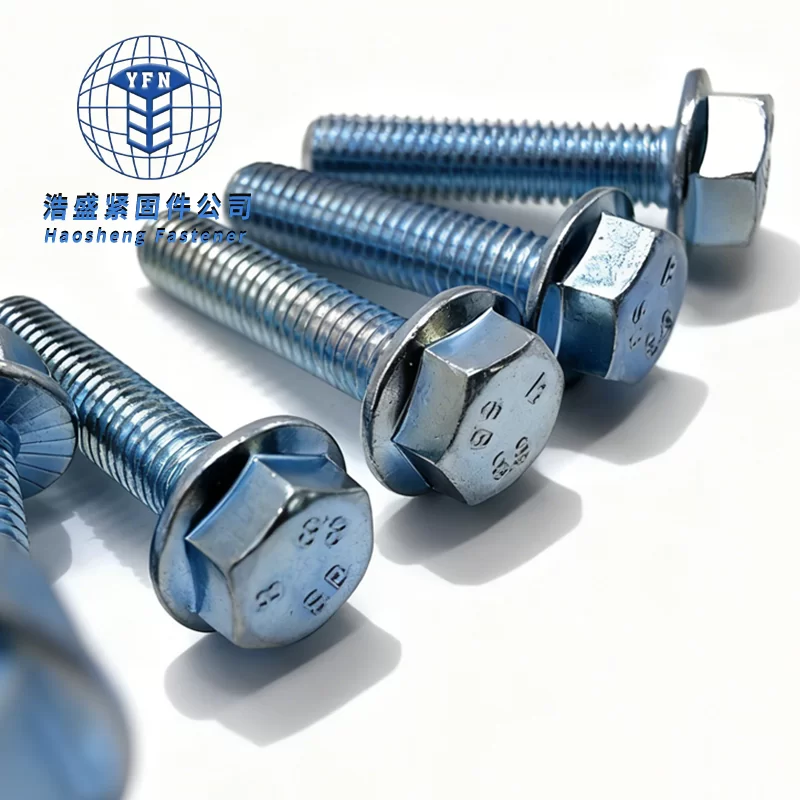


Welded Wire Mesh plays a fundamental role in the structural integrity of many industrial assemblies, yet its contribution to fastener performance is rarely discussed. In heavy industries—such as construction, energy, and transportation—fasteners are the silent load‑bearers, and the materials that support them determine long‑term reliability. This article delves into how wire mesh, particularly when used as reinforcement or containment, interacts with fastening systems to enhance safety and durability.
Why Material Quality Matters for Fastener Longevity
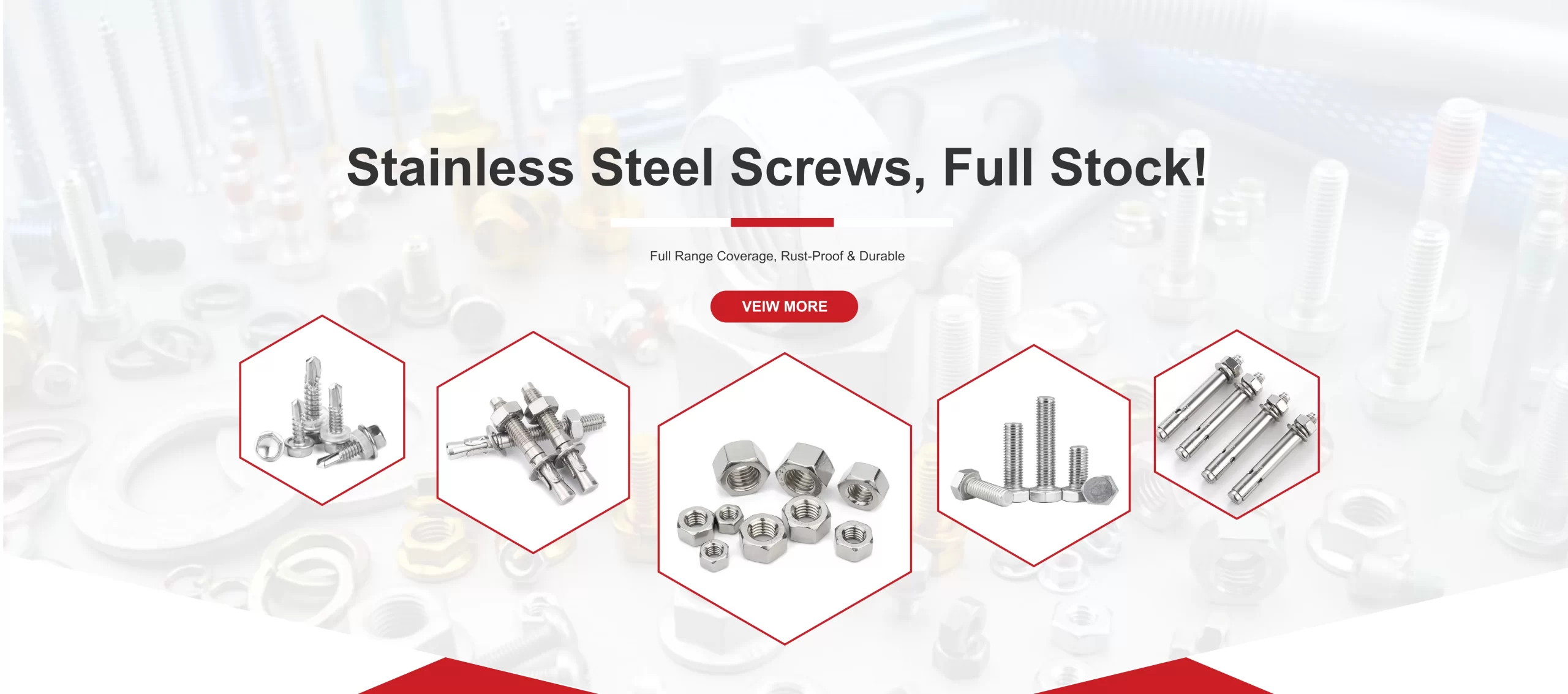
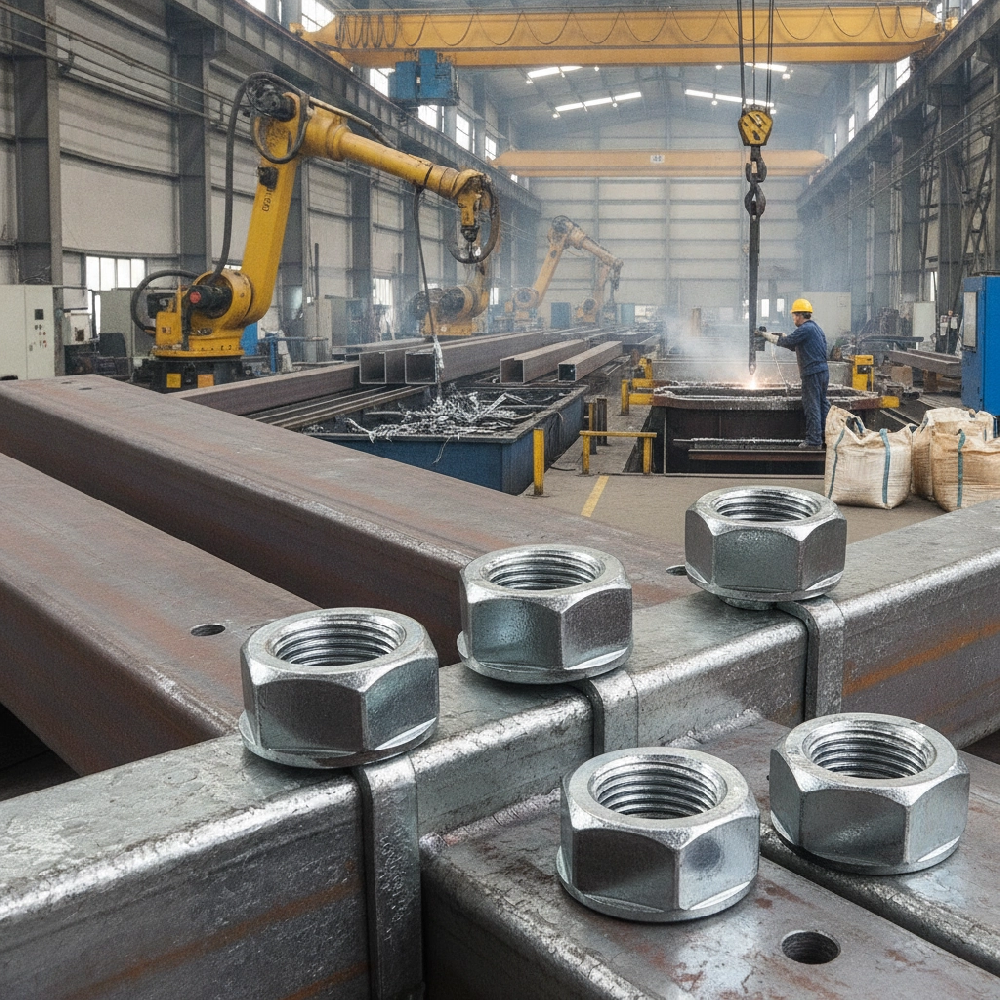
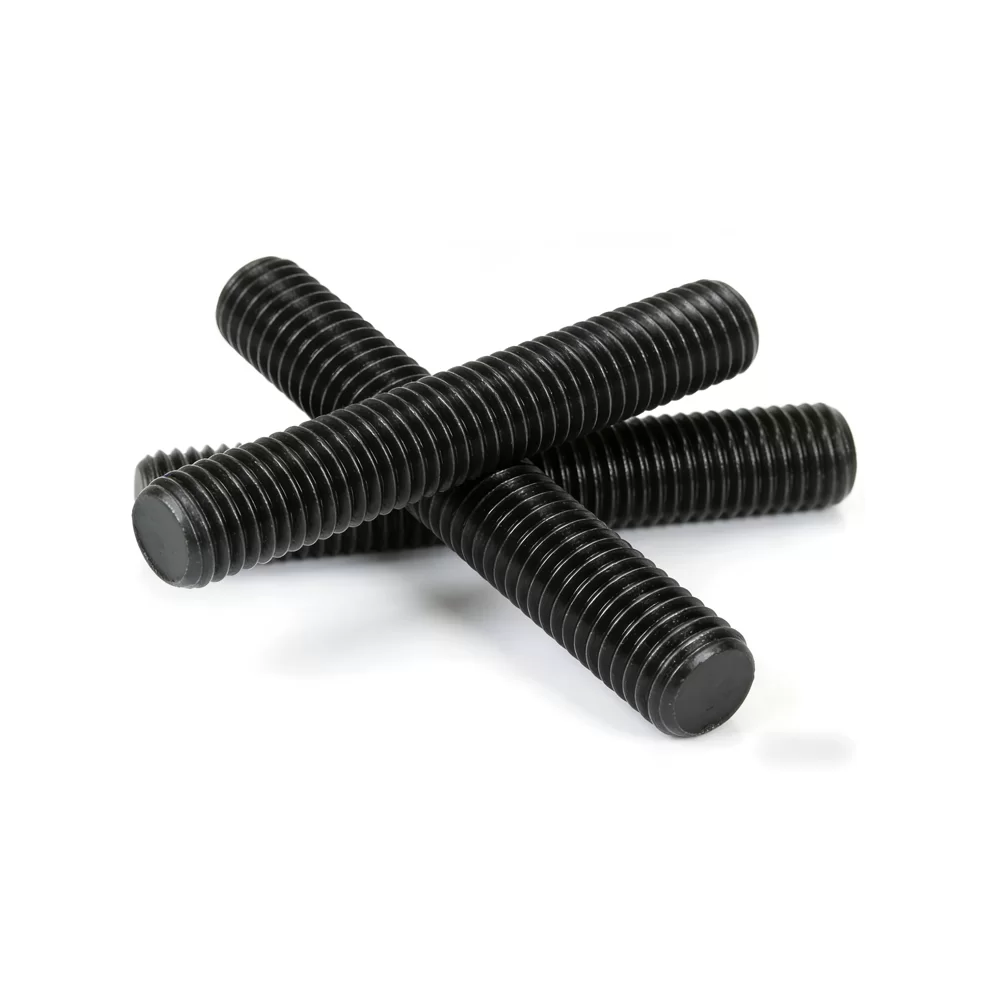
Every fastener—from a simple bolt to a complex high‑tensile stud—relies on the surrounding materials for proper load distribution and corrosion resistance. In environments where vibration or thermal cycling is present, the interface between the fastener and the base material becomes critical. Galvanized Wire Mesh offers an additional layer of protection by creating a sacrificial zinc barrier that shields both the mesh and the fasteners from oxidation. This synergy is especially valuable in outdoor infrastructure, marine applications, and industrial flooring where exposure to moisture and chemicals is constant.
The Role of Wire Mesh in Fastener Reinforcement
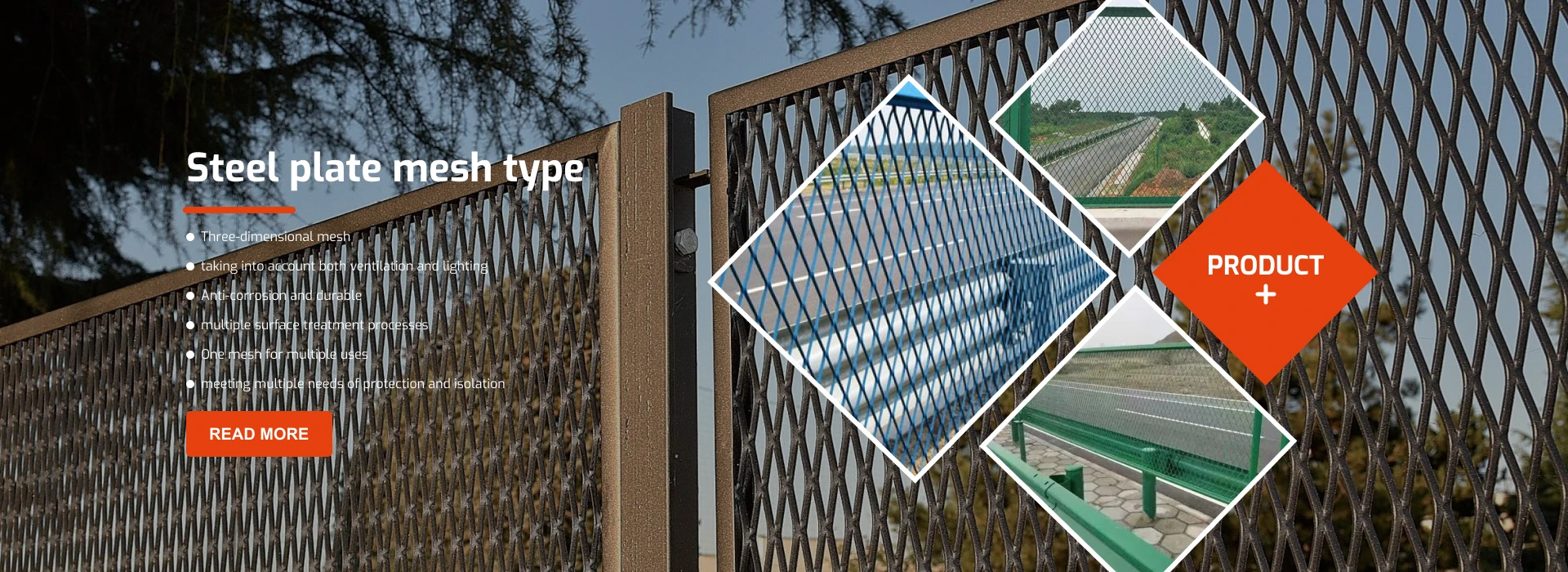
Manufacturers of fasteners often overlook the fact that the supporting substrate—concrete, wood, or metal—requires reinforcement to prevent pull‑out or shear failure. Welded wire mesh, with its precise grid pattern and uniform tensile strength, acts as a mechanical lock for embedded fasteners. For example, in precast concrete panels, a layer of galvanized wire mesh ensures that anchor bolts maintain their grip even under dynamic loads. This is not a new concept, but the quality of the mesh directly correlates with the fastener’s performance over decades of service.
Corrosion Protection: A Shared Challenge
Both wire mesh and fasteners face the same environmental enemies: moisture, salt, and industrial pollutants. A fastener system is only as strong as its weakest link, and that link is often the galvanic corrosion that occurs when dissimilar metals meet. By using hot‑dipped galvanized wire mesh—standardized to international specifications—engineers can create a uniform corrosion potential across the assembly. This minimizes galvanic currents and extends the life of the entire structure. Industry data from bridge and tunnel projects show that galvanized mesh reduces fastener‑related maintenance by up to 40% over a 30‑year period.
Quality Assurance in Material Sourcing
For fastener distributors and engineers, the reliability of the supply chain behind the mesh is as important as the mechanical properties of the fasteners themselves. High‑quality welded wire mesh manufacturers invest in tensile testing machines, bending test rigs, and galvanized layer detectors to guarantee that every roll meets domestic and international standards. When specifying materials for a project, it is prudent to choose mesh that has been verified for consistent wire diameter, weld strength, and zinc coating thickness. These parameters directly affect how well the mesh will anchor or protect the fasteners in the field.
Industry Trends and Future Outlook
The fastener industry is increasingly looking toward pre‑assembled solutions that combine fasteners with reinforcing mesh, reducing on‑site labor and improving quality control. Lightweight, high‑strength wire meshes are being developed to handle higher clamping forces without adding bulk. Meanwhile, sustainability initiatives are pushing for longer‑lasting materials that reduce waste. Galvanized wire mesh, with its long service life and recyclability, aligns well with these goals. As infrastructure projects become more complex, the interdependence between wire mesh and fasteners will only grow stronger.